
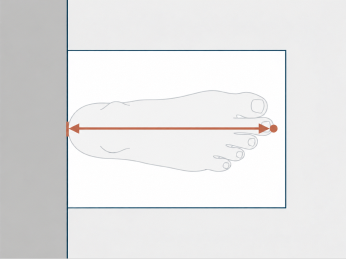
Feeling something new? That's your feet waking up.

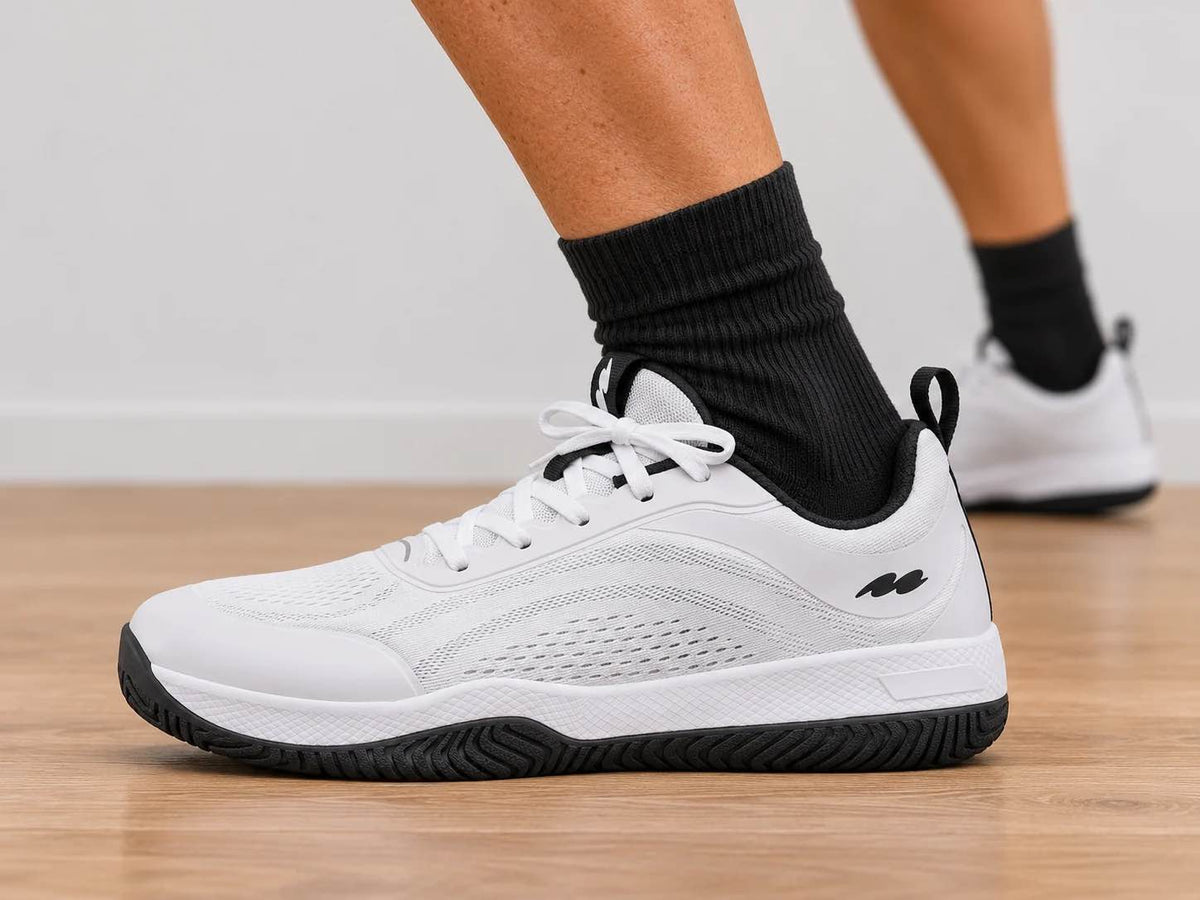
CUURT shoes put your heel and toes level and give your toes room to spread. After years in raised, narrow shoes, your feet and calves may notice the change at first. Here's what's normal, why it happens, and how to make the switch feel easy.

Most shoes lift your heel and squeeze your toes. Your feet got used to that. CUURT gives them back a flatter, more natural position, with cushioning underneath so it's a gentle step, not a barefoot leap.

In the first days you might feel your calves working, your arches getting tired, or a firmer feel than your old shoes. For most players that's muscles getting back to work, not a problem with the shoe.

Give it about 3 weeks: easy wear in week 1, a bit more in week 2, longer and harder play in week 3. Some feet need a little longer, and that's fine. If something feels sharp or wrong, we're one message away.

  • Zero drop
  • Wide toe box

Two small changes. A big difference for your feet.

Your shoes shape how your feet move every day. Here's what CUURT changes, and why it can feel different at first.

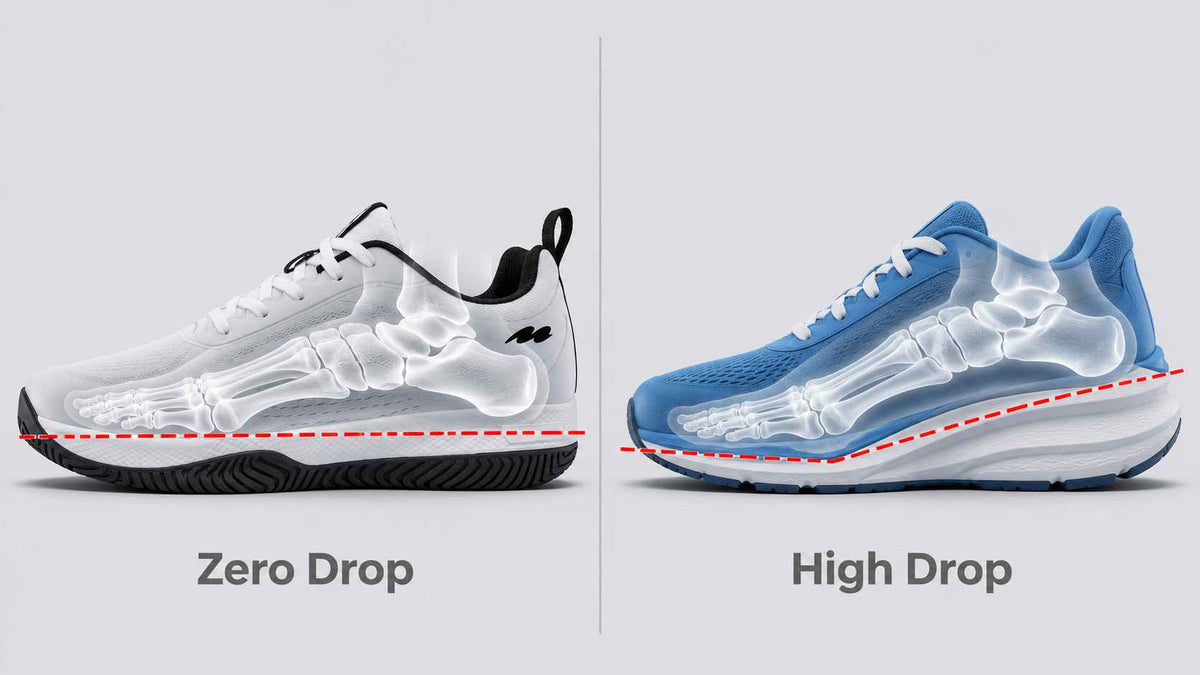
Zero drop

Heel and toes, level with the ground.

Most court and walking shoes sit your heel 8–12 mm higher than your toes. It's like standing on a small ramp all day. Your calves stay shortened, and your weight tips forward onto the front of your foot.

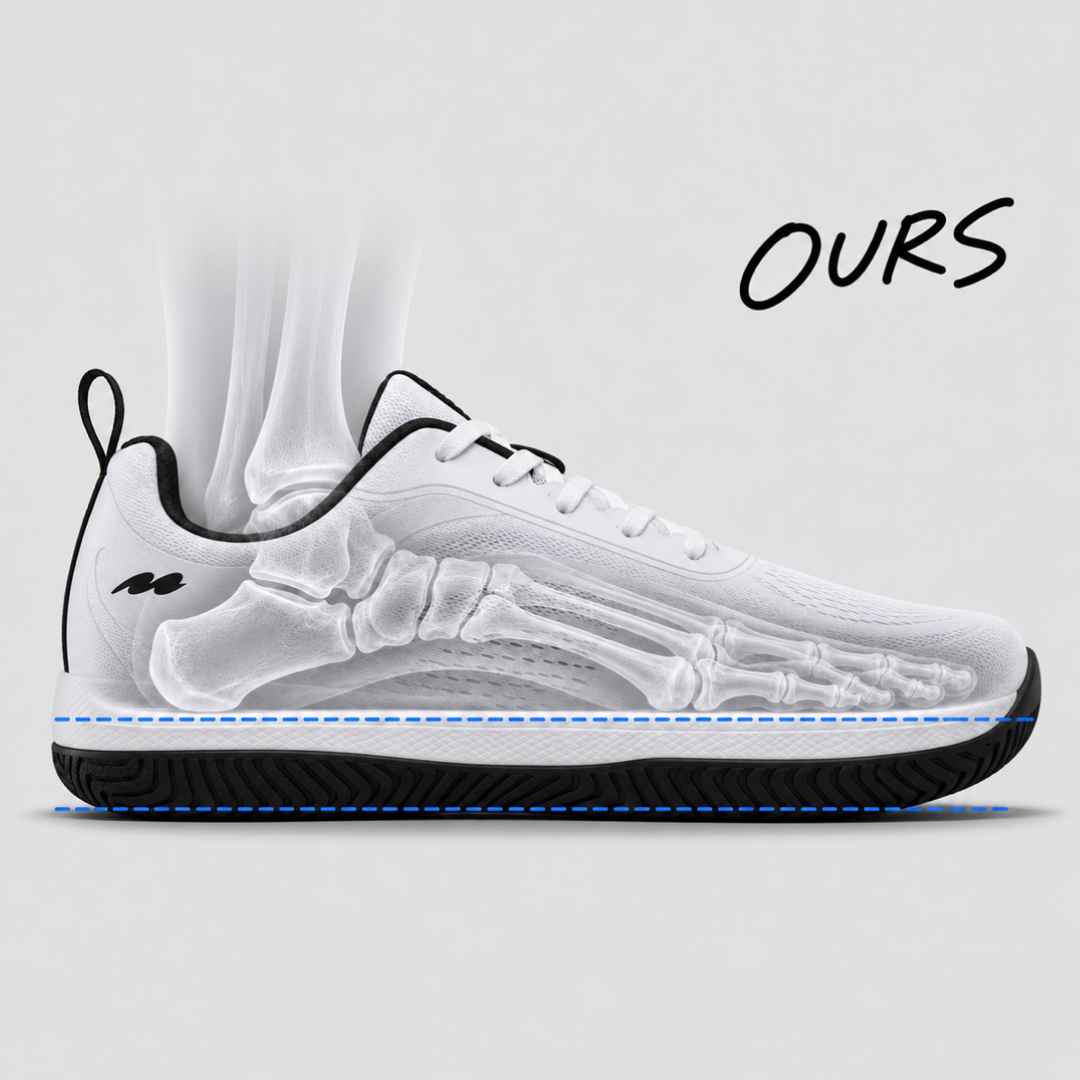
CUURT is zero drop: heel and toes at the same height, the way your foot sits when you stand barefoot. It's built to promote a flatter, more natural foot position.

  • Even balance: your weight spreads across the whole foot instead of piling onto your toes.
  • Your feet do their job: the muscles in your feet, ankles and calves get back to work. Many players say that over time their feet feel stronger and more stable.
  • Why you feel it at first: muscles that have been "on vacation" in raised shoes are now working. Like starting a new workout, they can feel tired or tight before they adapt.
Wide toe box

Room for your toes to spread.

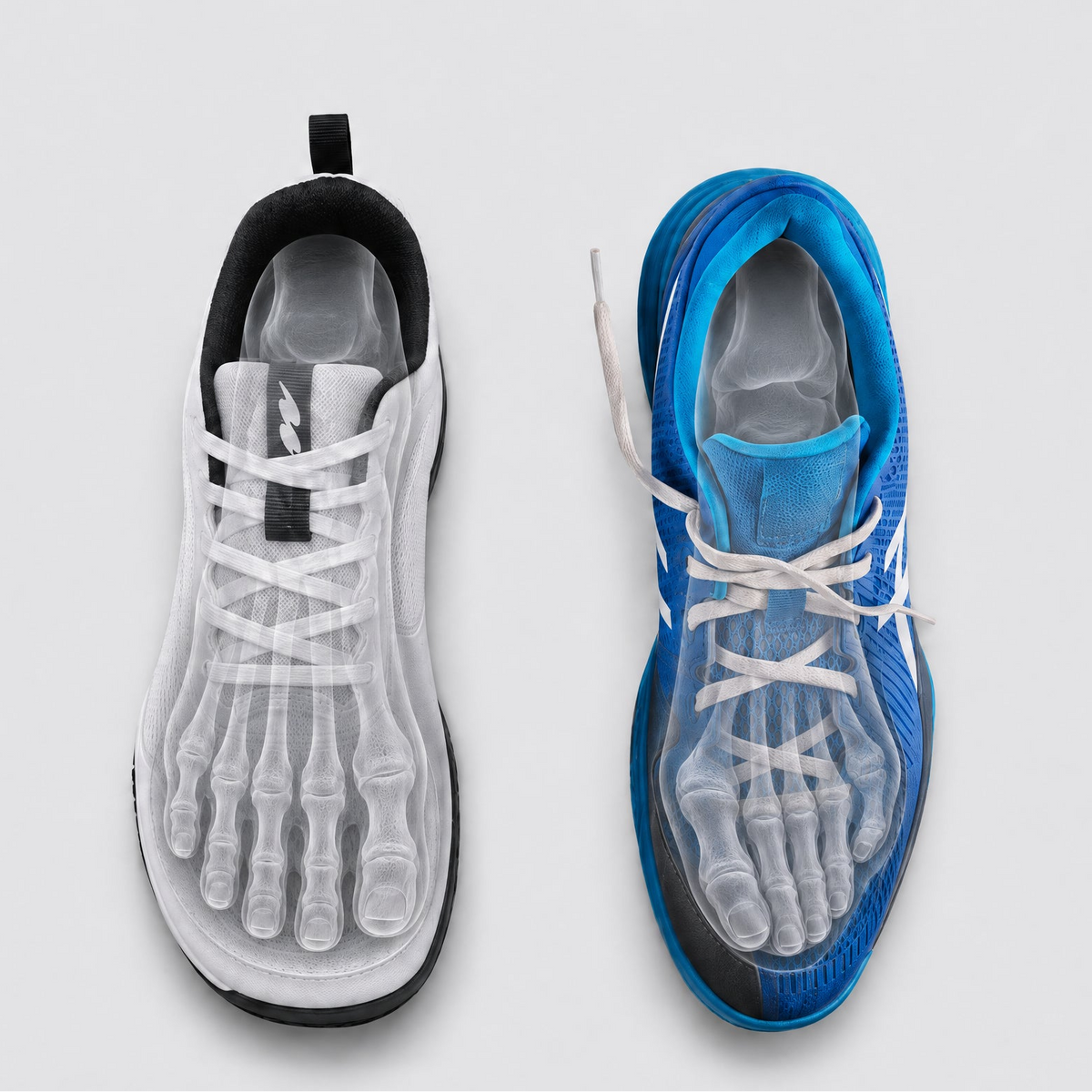
Your toes are the widest part of your foot. Most shoes taper to a point and squeeze them together. Picture trying to balance with a rubber band around your toes.

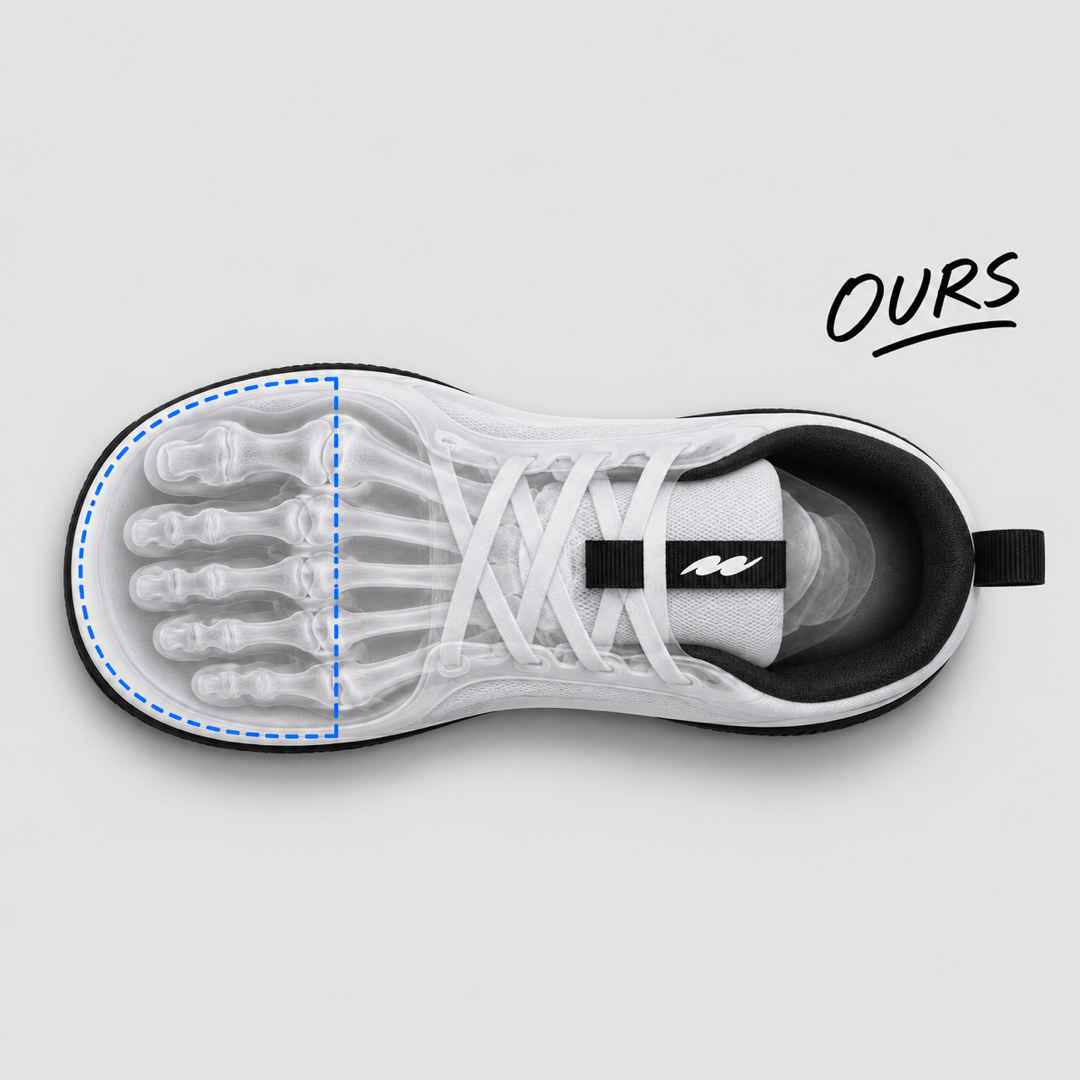
CUURT's toe box follows the natural shape of your foot, so your toes can spread when you land, push off and stop.

  • No more crushed toes: less squeezing, rubbing and pinching.
  • Better balance: spread toes give you a wider, steadier base on court.
  • Why you feel it at first: toes that were held still are now moving. Some people say it feels "roomy" or "weird" for the first few wears.
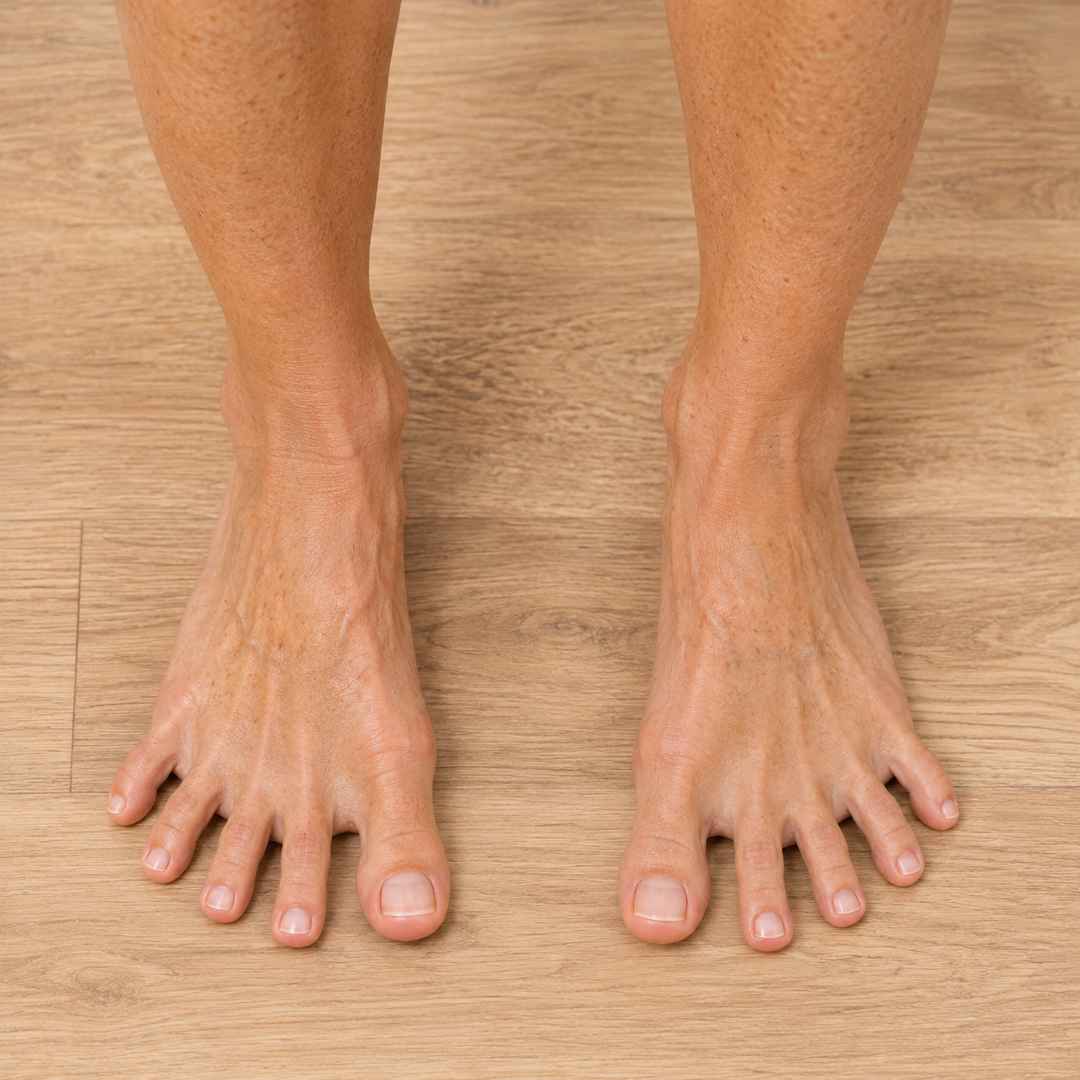
Toes spread in the CUURT Muuv and squeezed in a tapered court shoe, seen from above

Cushioning (the CUURT difference)

All the natural benefits, with something soft underneath.

Barefoot shoes give you zero drop and a wide toe box with almost nothing under your foot. CUURT adds a cushioned sole 3 cm, so the switch is gentler. It's firmer than a Hoka or a heavily padded tennis shoe on purpose: too much soft foam makes you wobble on quick stops.

The natural benefits, with the comfort of cushioning.

CUURT sits in the middle: the foot-friendly shape of a barefoot shoe, with padding under you while your feet adjust.

Traditional court shoes Best of bothCUURT Barefoot shoes
Heel-to-toe dropRaised heel, usually 8–12 mmZero drop (0 mm)Zero drop (0 mm)
Toe boxNarrow, taperedWide, foot-shapedWide, foot-shaped
CushioningThick, soft foamModerate cushioning 3 cmVery thin, little or none
Ground feelLowMediumHigh
Feel on day oneSoft and familiarFirmer and flatter than you're used toVery different; you feel everything
TransitionNone neededGentle: about 3 weeksSlow: often weeks to months
Best forPlayers who want max softnessPickleball, tennis, walking, all dayExperienced minimalist wearers
Best of both

CUURT

Heel-to-toe drop
Zero drop (0 mm)
Toe box
Wide, foot-shaped
Cushioning
Moderate cushioning 3 cm
Ground feel
Medium
Feel on day one
Firmer and flatter than you're used to
Transition
Gentle: about 3 weeks
Best for
Pickleball, tennis, walking, all day

Traditional court shoes

Heel-to-toe drop
Raised heel, usually 8–12 mm
Toe box
Narrow, tapered
Cushioning
Thick, soft foam
Ground feel
Low
Feel on day one
Soft and familiar
Transition
None needed
Best for
Players who want max softness

Barefoot shoes

Heel-to-toe drop
Zero drop (0 mm)
Toe box
Wide, foot-shaped
Cushioning
Very thin, little or none
Ground feel
High
Feel on day one
Very different; you feel everything
Transition
Slow: often weeks to months
Best for
Experienced minimalist wearers

It's not in your head. Here's what's going on.

Each card: what players tell us, why it happens, what to do, and when to contact us.

Studies show that people with stronger, healthier feet report less foot pain and stay more active as they age (see the study)

Ease in. Then play all day.

For years your shoes did part of your feet's work. CUURT gives that work back, so your feet and calves need a little time to catch up. Your 3 cm cushioned sole makes it much gentler than going barefoot. Plan on about 3 weeks, starting with 10 minutes a day.

  1. Week 1

    Easy

    Daily wear

    About 10 minutes a day at home. Feel fine the next morning? Add a little more. Short walks by the end of the week.

    Pickleball / tennis

    Late in the week, 10–20 minutes of easy dinking or rallying.

    You may notice

    A roomy, flatter feel, and tired calves or arches the next day. That's your muscles waking up, not the shoe.

  2. Week 2

    Moderate

    Daily wear

    Half a day or more: walks and errands.

    Pickleball / tennis

    30–60 minute social games.

    You may notice

    Soreness fades sooner. Quick moves start to feel steadier as your toes learn to spread.

  3. Week 3

    Longer and harder

    Daily wear

    Most of the day

    Pickleball / tennis

    Full sessions, competitive games and drills.

    You may notice

    Your feet feel steadier and more awake.

  4. Week 4

    Fresh in every game

    Daily wear

    Most of the time

    Pickleball / tennis

    Back-to-back games, open play until they turn off the lights, tournament weekends.

    You may notice

    After a match, you'll feel like you could still run a marathon.

What's happening in your feet

  1. WEEK 1

    Your heel now sits level, so your calves work through their full length again. The small muscles in your feet start doing the job your old shoes did for them.

  2. WEEK 2

    Your feet and calves are getting used to the new work. Each session asks a little more, and they recover faster.

  3. WEEK 3

    Your feet can now handle a full match. A level heel and room for your toes give you a wide, planted base on every stop and split step.

  4. WEEK 4

    Your feet are tireless now. You feel the court under you, stop on a dime, push off in any direction, and reach balls you used to let go.

5 minutes a day. Happier feet on court.

These easy moves wake up the muscles your new shoes ask to work. Do them barefoot, before or after you play.

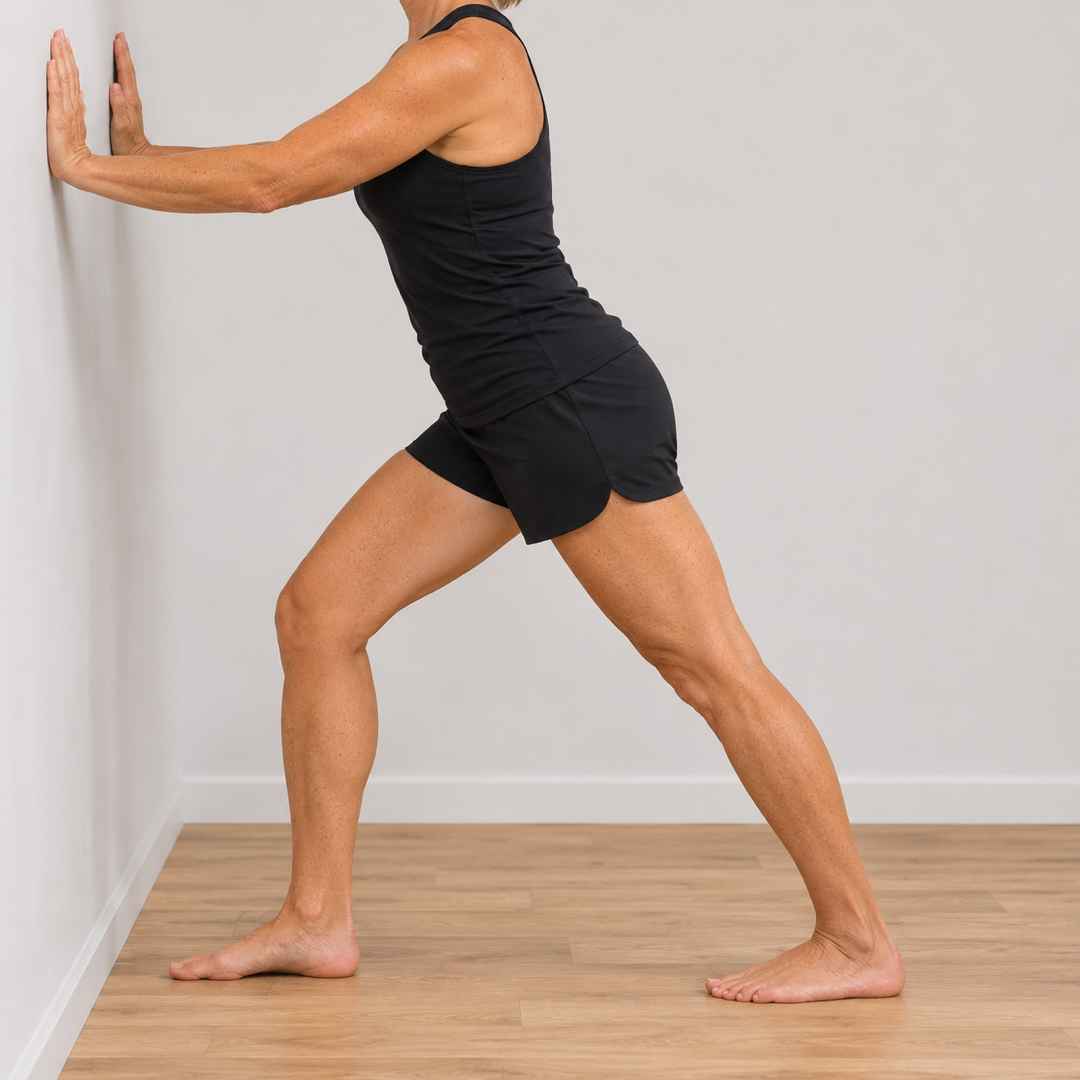
Calf stretch

Hands on a wall, one leg back, heel down, knee straight; then bend the knee slightly

Amount
30 sec each, 2× per leg
Helps with
Calf and Achilles tightness

Calf raises

Rise slowly onto your toes, lower slowly. Hold a wall for balance

Amount
2 sets of 10–15, 2–3× a week
Helps with
Calf strength

Toe spread

Sitting, spread all toes wide, hold, relax

Amount
10 reps, hold 5 sec
Helps with
Toe and forefoot strength

Towel scrunch

Pull a towel toward you using only your toes

Amount
1–2 min
Helps with
Arch muscles

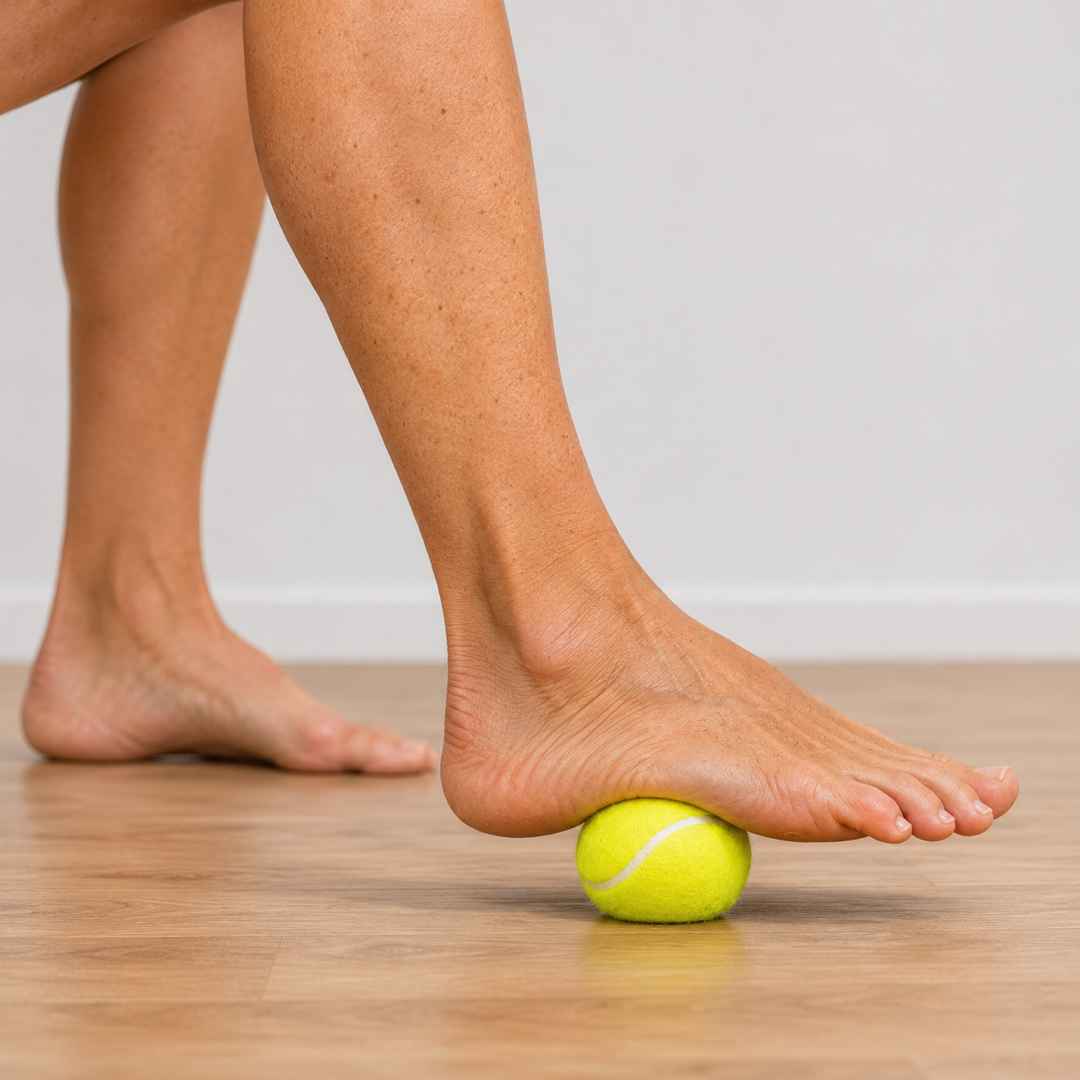
Foot roll

Roll the sole of your foot over a tennis or massage ball

Amount
1 min per foot
Helps with
Tired arches and balls of the feet

These are general mobility tips, not medical advice. If you have a foot condition or an injury, or something hurts, check with a doctor, podiatrist or physical therapist first.

Is it your feet adjusting, or the fit?

Do this indoors, on a hard floor, in the socks you play in, at the end of the day when your feet are largest.

The check:

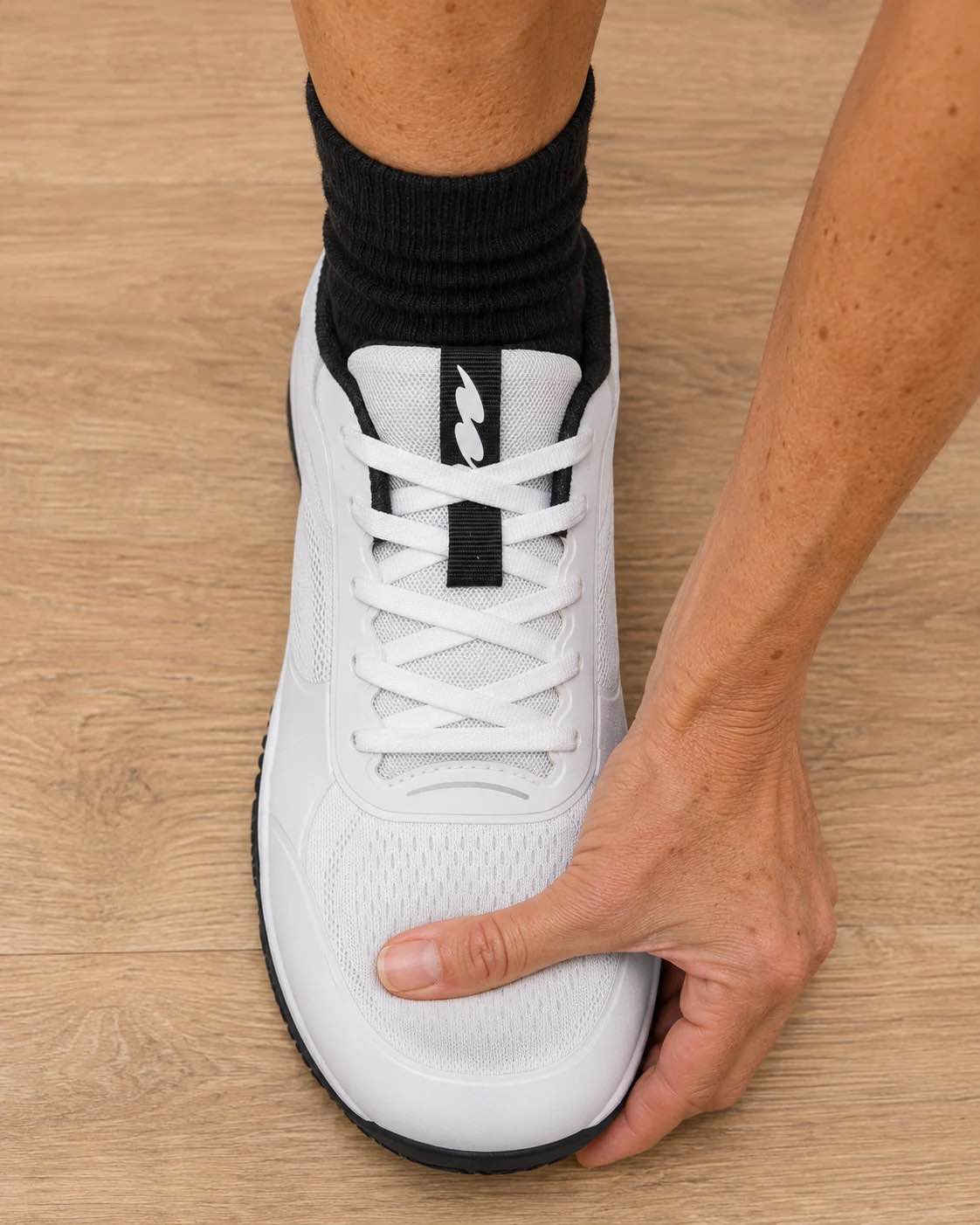
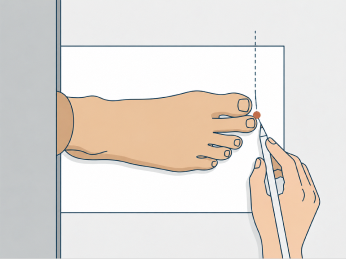
  1. Thumb test:

    stand up. There should be about a thumb's width (1–1.5 cm) between your longest toe and the front of the shoe.

  2. Toe wiggle:

    you can spread and wiggle all your toes without touching the sides.

  3. Heel hold:

    walk and do a few quick stops. Your heel should stay put, not slip up or slide forward.

  4. Midfoot:

    snug across the top of your foot, with no pressure points from the laces.

  5. Squat and lean forward:

    your toes shouldn't jam into the front.

What you noticeMost likely What to do
Tired calves or arches, eases in a dayAdaptationFollow the 3-week plan
Firmer or flatter than your old shoesAdaptation / new feelGive it a week of short wears
Toes hit the front on stopsLacing or sizeHeel-lock lacing, then the thumb test
Less than a thumb's width at the frontToo smallExchange for a bigger size
Heel lifts or slips outToo big, or lacingHeel-lock lacing; if it still slips, size down
Rubbing or pressure in one spot from day oneFit, or a seamContact us with a photo
Sharp or worsening painNot adaptationStop, contact us and see a professional

Not sure? Send us a photo of your foot in the shoe from the side and from above. We'll tell you if it's the size, the model or just the adjustment.

Questions new CUURT players ask

Want to go deeper?

The science-made-simple behind your new shoes.